Football in South Africa, like in most places, started when the British brought it there. Until the end of apartheid, the beautiful game in the country has been deeply affected by the segregation: an all-white football association (FASA) was formed in 1892, but an Indian, a Bantu and an African Coloured association soon followed.
As a demonstration of the effect that racial discrimination had on South African football, the country was suspended by FIFA for over thirty years, from 1961 to 1992, not allowing them to participate in international competitions and greatly hurting the growth of the sport. When the apartheid was beginning to fall, a new football association, SAFA, was born, and the South African national team finally played again after more than two decades. Apart from the social improvements, the abolition of apartheid produced possibly a golden era for South African football: the country managed to develop a competitive professional league, the Premier Soccer League, it hosted and won the 1996 African Cup of Nations, it qualified for the 1998 and 2002 World Cups and then famously hosted the 2010 World Cup, becoming the first country from Africa to do so, a feat that will only be achieved by Morocco when they co-host the 2030 World Cup.
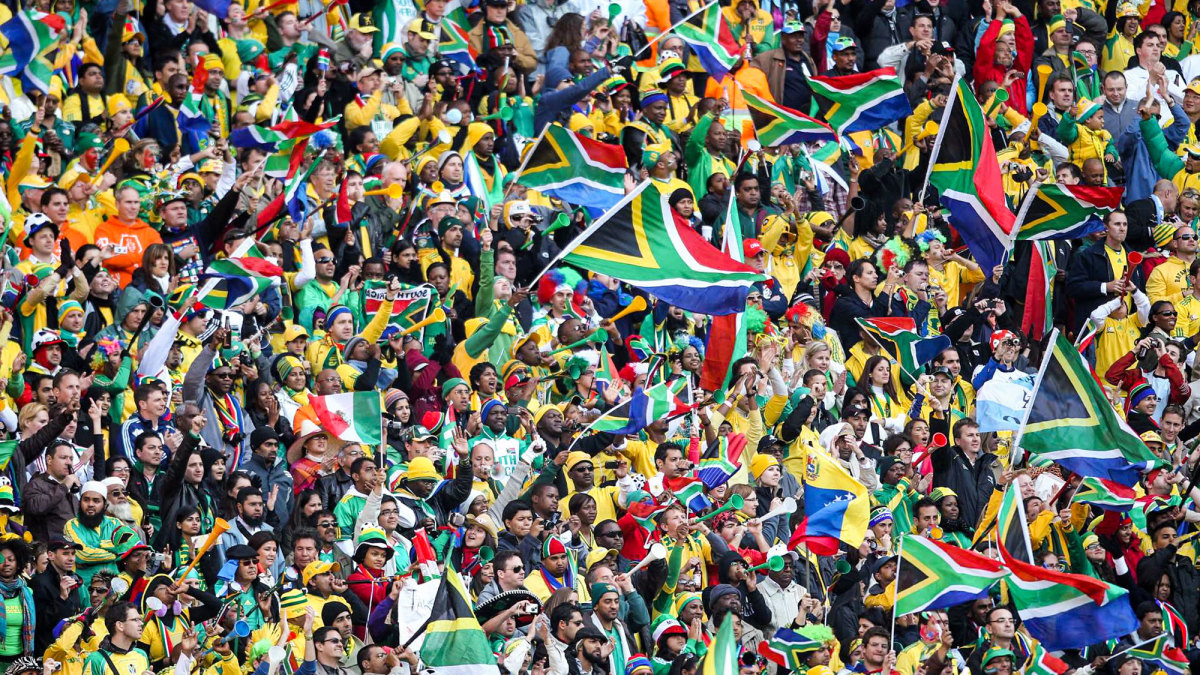 |
| South African supporters at the 2010 World Cup. From si.com |
Apart from the incredible achievements on a national level, the clubs also stepped up to levels that were never reached before: since 1995, South African clubs Orlando Pirates, Mamelodi Sundowns and Kaizer Chiefs competed in five different CAF Champions League finals, a result unthinkable just a couple decades earlier, with the first two clubs even managing to bring the trophy home one time each.
Orlando Pirates, Kaizer Chiefs and the Soweto township
The growth of football in South Africa is partially owed to the popularity that Orlando Pirates and Kaizer Chiefs achieved during the 70's and 80's.
Orlando Pirates FC was founded in 1937 by the offspring of migrant workers in the gold mines. They competed in the Johannesburg Bantu Football Association in the early years, without shoes and without team kits until Bethuel Mokgosinyane, the first president, bought them at his own expenses. In 1971 the club joined the all-black National Professional Soccer League, winning four titles between then and 1976. It wasn't until the modern South African Premiership was formed that the club would once more be crowned National champions, winning four more titles between 2001 and 2012.
 |
| Orlando Pirates supporters. From orlandopiratesfc.com |
Kaizer Chiefs FC, on the other hand, are much younger than their biggest rivals: they were only founded in 1970, shortly after former Orlando Pirates' player Kaizer Motaung returned from his professional experience at American side Atlanta Chiefs. Motaung combined his own name with the name of his former club to create his own football club. The Chiefs, just like the Pirates, have had a glorious past in all the different leagues they have competed in: they have won five league titles in the NPSL, then three more in the National Soccer League, and then another four in the current Premiership, a total of twelve league titles!
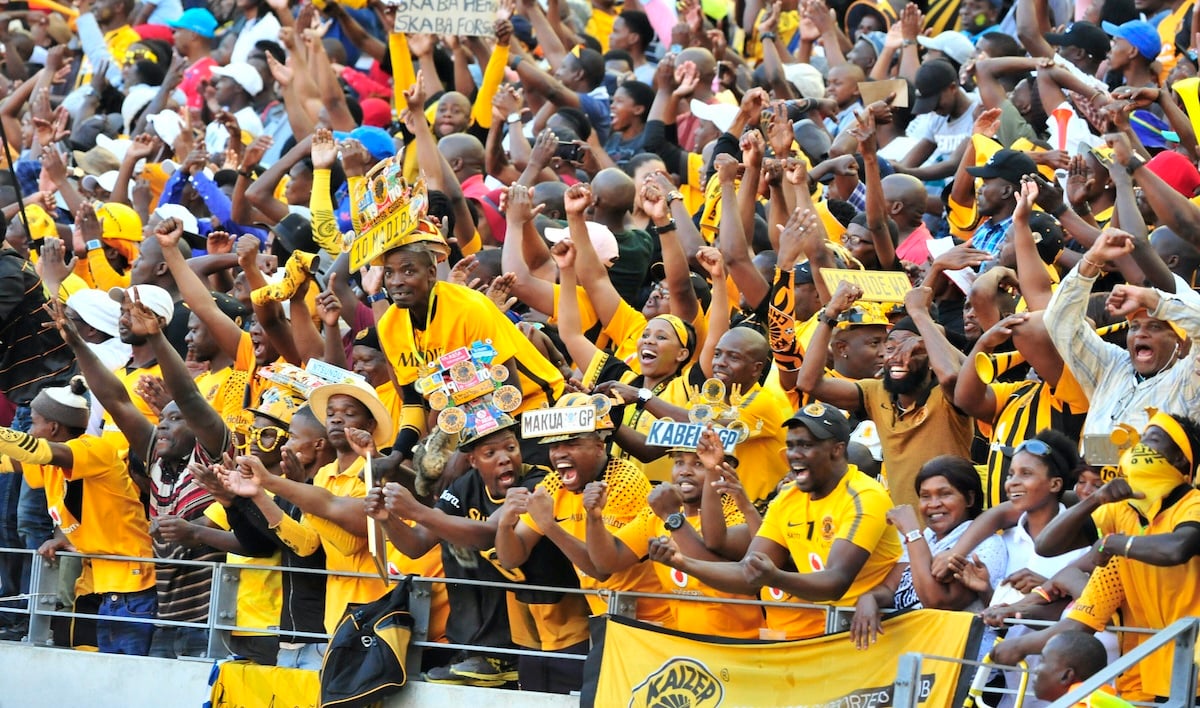 |
| Kaizer Chiefs fans. From farpost.co.za |
The two clubs are both based in Soweto, a massive township that was reserved to black people during the apartheid years. The area is just south-west of Johannesburg, and that's where the name comes from: SOuth WEstern TOwnships. This area was crucial in the fight against apartheid: on 16 June 1976 an uprising took place, when massive protests took place against the government's policy to enforce education in Afrikaans rather than the population's own language. Over 10,000 students were marching from Naledi High School towards Orlando Stadium when the police opened fire, causing riots to continue and violence to escalate. 23 people lost their lives on the first day, 21 of whom were black. In response to the uprising sanctions were introduced from abroad, and Soweto and other townships became stage for violent repression until the end of apartheid.
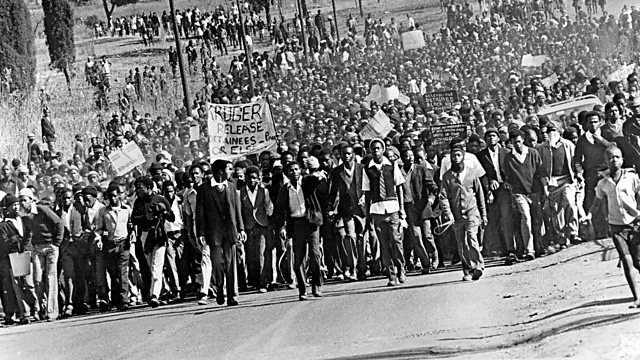 |
| Protests in Soweto. From peoplesdispatch.org |
The Soweto derby
The fact that a former Pirates player created a rival club right next to them didn't go down well with Orlando fans, and the passionate fanbase that soon started following the black and gold club just added fuel to the fire.
Since Kaizer Chiefs were formed in 1970 and until the mid 1980's, the Soweto derby was always a tense meeting, with frequent clashes between the two sets of fans often resulting in permanent injuries and even deaths. Derby days were so brutal that at times the two clubs would just play for a draw in hope of sparing fights and possibly the lives of supporters. Five different derbies had to be abandoned due to crowd problems during those years.
A change in attitude from both sets of fans happened between the late 80's and early 90's: when South African football moved on from the apartheid-controlled leagues and into the new Premiership era it was imperative that both clubs cooperated in order to maximise the commercial value of the new league. Apart from the economic point of view, a big step forward in mentality was made thanks to Nelson Mandela, who preached that sports should unite people, not divide them, and with this mindset the violence was gone from the Soweto derby for good.
 |
| Nelson Mandela celebrates South Africa winning the bid to host the 2010 World Cup. From sportanddev.org |
As a response to the rising violence ahead of the 1999 general elections in the KwaZulu-Natal province, the two clubs decided to create an exhibition tournament and played it in that region in an attempt to bring people together, and they managed to do so, fading the tension away!
Nowadays the rivalry is still intense as ever, but Pirates and Chiefs supporters sit together in the stadium and live the match experience as a party rather than a war. Both fans will bring the famous vuvuzelas and decorations in either black and white or black and gold and there are no issues with the opposing fans.
 |
| Pirates and Chiefs fans together at the derby. From citizen.co.za |
The Soweto derby represents the hopes of a nation, which despite all its problems still has the energy to fight against oppression and in favour of peace and fraternity. It certainly is a completely different approach to European and South American derbies, and that's what makes it unique and special.
If you're interested in similar content, I've also covered Tanzania's derby between Simba and Young Africans.
Comments
Post a Comment