Newcastle's win in the Carabao Cup recently ended a 70 year trophy drought for the Geordie side, but what other clubs are still waiting for their streaks to end? Let's take a look at the longest active trophyless run for each top-flight league in Europe.
Just a note: in order to appear on this list, a club must have won a trophy at some point in their history. For example, Crystal Palace have not won a major trophy in their 164 years of history, so they won't be in it. Also, just one club for each country will appear!
The longest streaks
Let's take a look at the 10 longest active streaks across the continent.
- Tallinna Kalev, Estonia. It's the oldest active club in the country, founded in 1909, and won a couple titles a century ago, in 1923 and 1930. Their latest league title however came in 1955, when they won the Estonian SSR Championship. 70 years have passed since then.
- Venezia FC, Italy. The arancioneroverdi are known for their beautiful kits, their magnificent city and their stadium in the middle of the Laguna, but not exactly for their silverware. The venetians won the Coppa Italia in 1941, so 84 years ago, but never reached that success again.
 |
| From veneziafc.it |
- Melita FC, Malta. They won the Maltese FA Trophy in 1939, meaning they haven't won anything in 86 years. They reached the final again in 1940, but couldn't repeat the success.
- FK Arsenal Tivat, Montenegro. From the coastal town of Tivat, this club founded in 1914 won the Montenegrin championship in 1937, 88 years ago! They reached the cup final in 1971 and recently in 2023, but couldn't end their unsuccessful streak.
- Go Ahead Eagles, the Netherlands. Four times national champions, all their league titles came between 1917 and 1933, 92 years ago. The club from Deventer only reached the KNVB Cup final in 1965, and didn't come close to silverware after that.
- Spartak Varna, Bulgaria. They won the league in 1932, 93 years ago! They have won the league in the lower divisions twelve different times since then, but never the Parva Liga.
 |
| From ultras-tifo.net |
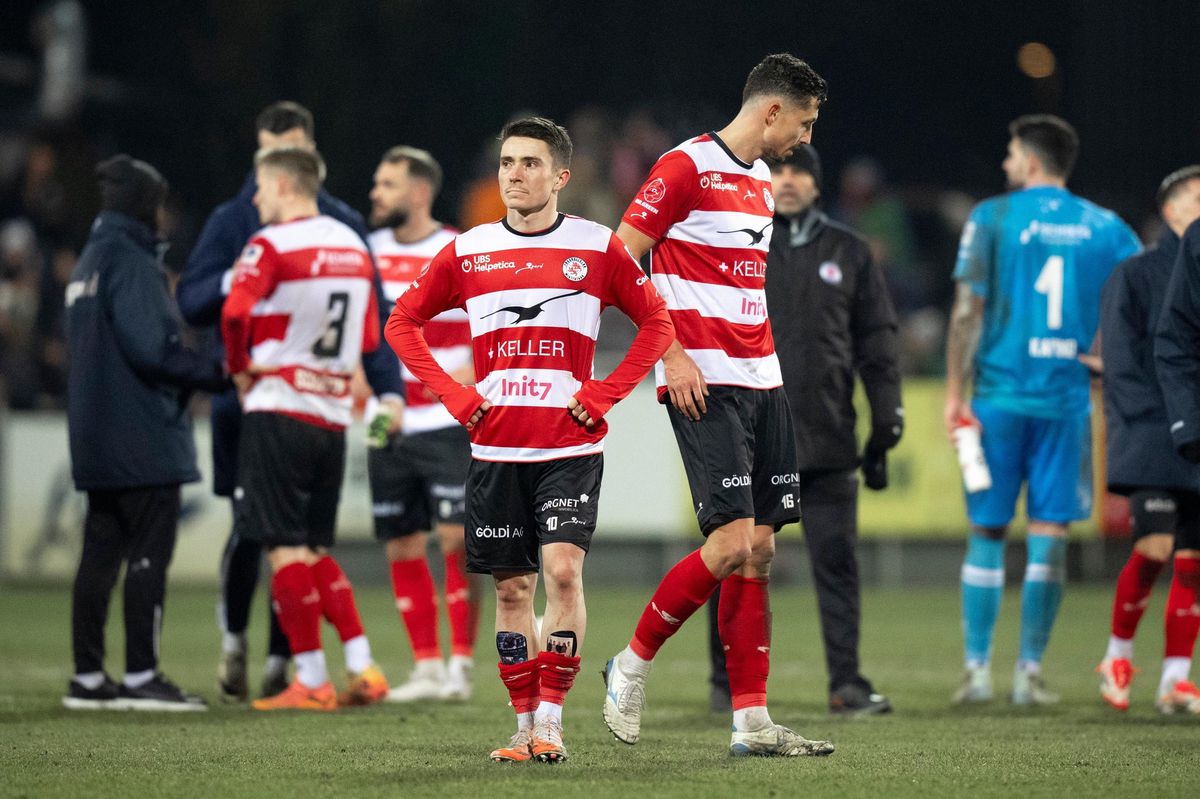
- Winterthur, Switzerland. The Rot-Weiss won the swiss league three times, most recently in 1917, 108 years ago. They reached two cup finals since then.
 |
| unitycms.io |
- Holstein Kiel, Germany. Recently promoted to the Bundesliga for the first time in their history, but this season isn't not their first ever experience in top-flight football: the club won the German championship in 1912, winning the final in Hamburg against Karlsruher FV. It's been 113 years since their first and so far only major trophy.
 |
| From tagesschau.de |
- Brighton & Hove Albion, England. The Seagulls will play Nottingham Forest in the FA Cup quarter finals next week, as they see their biggest chance to conquer silverware since 1910, when they won the FA Charity Shield, which at the time was contested between the previous season's Football League and Southern League champions. The club has been waiting for 115 years now.
 |
| From eurosport.com |
- Newtown AFC, Wales. The longest active trophyless streak is welsh: the Robins won two Welsh cups, in 1879 and 1895, meaning the club hasn't touched a major trophy in an astonishing 130 years. Newtown has come close multiple times, being runner up in the Welsh cup two times, in the League cup once and in the Cymru Premier twice since their last triumph, but they never had enough luck to kill this streak once and for all.
 |
| From newtownafc.co.uk |
The other streaks
We've seen the 10 longest streaks, now we can turn our attention towards the longest streak in each of the other European countries we haven't mentioned earlier.
- Albania: Dinamo City, Kategoria Superiore, 2010
- Andorra: FC Ranger's, Primera Divisio, 2007
- Armenia: Gandzasar Kapan, Armenian Cup, 2018
- Austria: LASK Linz, Bundesliga and Austrian Cup, 1965
- Azerbaijan: Turan Tovuz, Premier League, 1994
- Belarus: Molodechno, SSR Belarusian Championship, 1991
- Belgium: Cercle Brugge, Belgian Cup, 1985
- Bosnia & Herzegovina: Sloboda Tuzla, Intertoto Cup, 1983
- Croatia: Osijek, Croatian Cup, 1999
- Cyprus: Nea Salamis Famagusta, Cypriot Cup, 1990
- Czechia: Bohemians, Czechoslovak First League, 1983
- Denmark: Velje, Superliga, 1984
- Faroe Islands: TB Tvoroyri, Premier League, 1987
- Finland: KTP, Finnish Cup, 1980
- France: Le Havre, Coupe de France, 1959
- Georgia: Kolkheti 1913, Erovnuli Liga, 1997
- Gibraltar: Glacis United, Pepe Reyes Cup, 2005
- Greece: Aris Thessaloniki, Greater Greece Cup, 1971
- Hungary: Diosgyori, Magyar Kupa, 1980
- Iceland: IA, Icelandic Cup, 2003
- Ireland: Waterford, League of Ireland Cup, 1985
- Israel: Hapoel Jerusalem, State Cup, 1973
- Kazakhstan: Elimai, Premier League, 1998
- Kosovo: Dukagjini, Superliga, 1994
- Latvia: Jelgava, Latvian Cup, 2016
- Liechtenstein: Triesen, Liechtenstein Football Cup, 1975
- Lithuania: Riteriai, Lithuanian Cup, 2016
- Luxembourg: Jeunesse Esch, Luxembourg Cup, 2013
- Moldova: Zimbru Chisinau, Cupa Moldovei, 2014
- North Macedonia: Rabotnicki, Macedonian Cup, 2015
- Northern Ireland: Carrick Rangers, Irish Cup, 1976
- Norway: Bryne, Norwegian Cup, 1987
- Poland: Stal Mielec, Ekstraklasa, 1976
- Portugal: Boavista, Primeira Liga, 2001
- Romania: Universitatea Cluj, Cupa Romaniei, 1965
- Russia: Dynamo Moscow, Russian Cup, 1995
- San Marino: Fiorentino, Campionato Sammarinese, 1992
- Scotland: Dundee, League Cup, 1974
- Serbia: OFK Beograd, Yugoslav Cup, 1966
- Slovakia: Zemplin Michalovce, Slovak National League, 1975
- Slovenia: Domzale, Slovenian Cup, 2017
- Spain: Real Valladolid, Copa de la Liga, 1984
- Sweden: Osters IF, Allsvenskan, 1981
- Turkey: Goztepe, Turkish Cup, 1970
- Ukraine: Karpaty Lviv, Sovet Cup, 1967
Comments
Post a Comment