Football in the United States of America is still a growing sport. Up until the 1994 World Cup, interest in the country was extremely low, and although that tournament has helped raise football's popularity and set up the MLS, it wasn't until the late 2000's that the league really started picking up momentum with David Beckham's arrival at Los Angeles Galaxy.
Despite the MLS growing in popularity and size over the last few years - they now have a massive 30 clubs competing - the closed environment, typical in American professional leagues like the NBA or NFL, has made it difficult to see anything other than billionaire or corporate-backed clubs competing at the highest level.
A Bundesliga-type of football club is very unlikely to happen in the MLS, but it isn't in the lower divisions - and that's exactly what San Francisco City FC is. The club, founded in 2001, is the oldest supporter-owned football club in the United States.
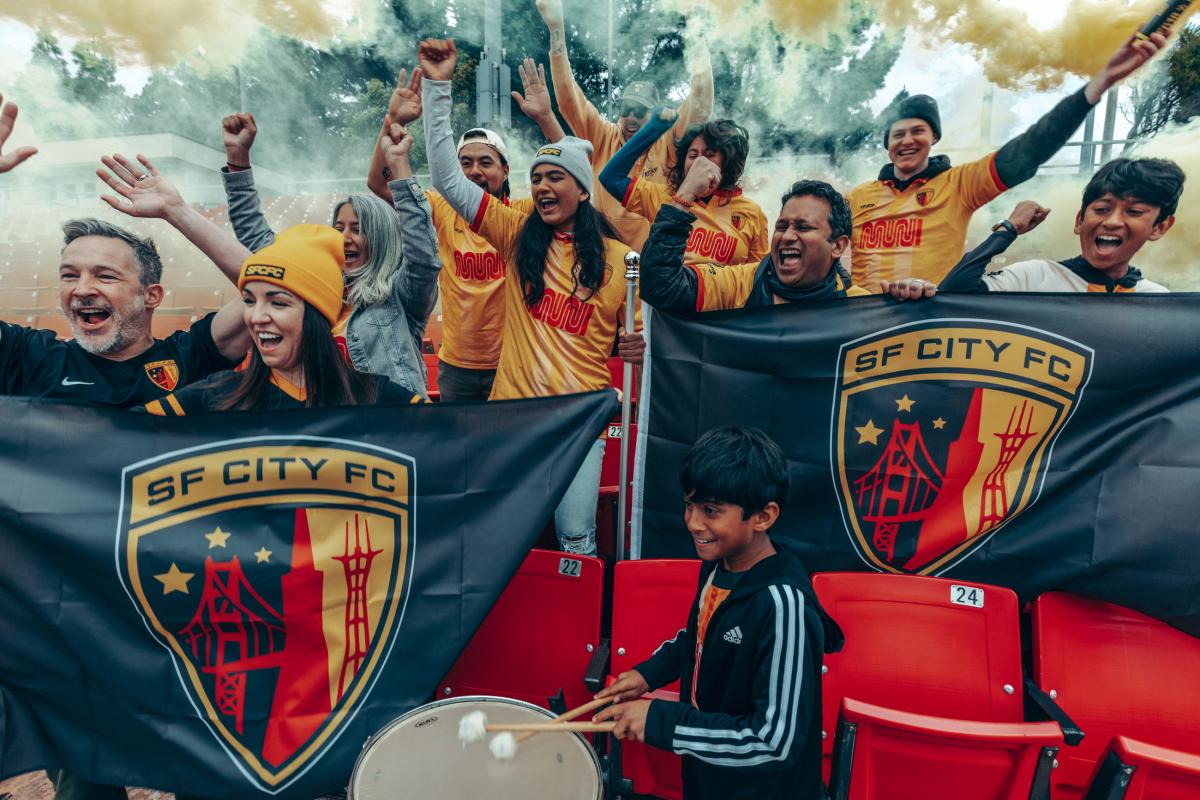 |
| San Francisco City supporters cheering for their club. [sfmta.com] |
The 51% fan-ownership
Just like Bayern Munich, Borussia Dortmund and the rest of the Bundesliga bar RB Leipzig, San Francisco City supporters own 51% of the club, making their organization majority owners. Effectively they run the club, taking all the decisions. The remaining 49% is open for minority investors to join in.
This ownership setup ensures that no change to the club's operations can happen without approval from the fans: no raise in ticket prices, no weird awful badges, no morally questionable sponsors. The members can even decide in which league will the team compete and in which stadium!
The supporters pay an annual fee based on their ability to attend matches. A regular annual membership, which grants you access to the matches as well as an annual scarf, voting rights and other privileges costs $75. However, fans who are unable to attend matches for whatever reason can still be members with all the other benefits with a $50 "ambassador membership". There are even family memberships: a family of four will have four regular memberships for $160, which rise to $200 for five people.
The stadium
SF City play at the historic Kezar Stadium in San Francisco. Built in 1920 as a 50,000-seater athletics stadium, it hosted NFL games for the San Francisco 49ers from 1946 to 1970 and the Oakland Raiders for some games in 1960.
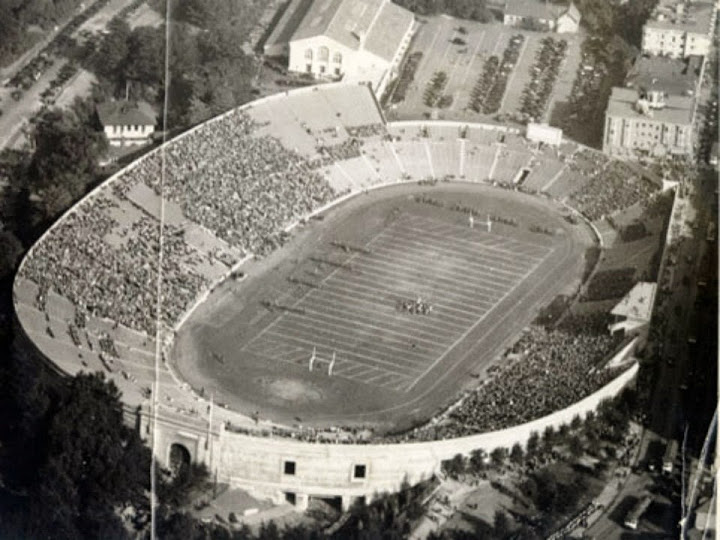 |
| The old Kezar Stadium. [stadiumsofprofootball.com] |
It wasn't a very popular venue among the NFL players: many of them complained about the dressing rooms, the way too long tunnel that lead to the field and even about the seagulls that apparently liked to bomb the players with their waste.
In 1989 it was demolished and rebuilt with a smaller 10,000 capacity, and then renovated again in 2015.
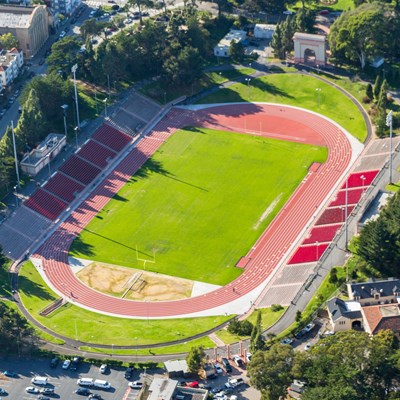 |
| The new Kezar Stadium [soccerwiki.org] |
The supporters, known as El Lado Norte ("The Northsiders"), take their name from the north stand of Kezar Stadium. They are among the best supporters of the US lower divisions: they have won the League Two "Supporters Group of the Year" award in 2019 and are easily among the loudest of the division at every home match, but on derby days against city rivals San Francisco Glens SC, the spectacle gets even more intense!
As a fan group, the Northsiders don't issue official memberships nor do they sell merchandise. However, members can earn patches by participating in club-sponsored community events, like painting tifos or flags or travelling to away matches.
 |
| The Northsiders supporting SF City [thecup.us] |
The new antagonist
A new professional football club is about to start operating in San Francisco. Investors-backed Golden City FC will join MLS NEXT Pro League, and is potentially a threat to anything SF City has built in the community in the last two decades.
Geoff Oltmans and Marc Rohrer, two finance executives, are the minds behind this new club. Golden City's founding was announced on social media by Daniel Lurie, the mayor of San Francisco, whose poverty reduction nonprofit organisation had in the past received more that $400k worth of donations from the two entrepreneurs.
It’s official! Today I signed legislation to make @GCFC_SF the newest professional team in SF. GCFC will be putting in $10m to privately fund improvements to Kezar Stadium, which include a new field, new seating, and a new scoreboard. Public access will remain the same. pic.twitter.com/UI3OvWcfcm
— Daniel Lurie 丹尼爾·羅偉 (@DanielLurie) June 25, 2025
Golden City FC's project would bring a $10m renovation plan for the Kezar Stadium, improving the grass, the seats, the scoreboard and so on, but it would also mean the area would once again shift towards corporate-driven sports rather than the local-run organisation that have been operating in the area recently.
San Francisco City were given two days' notice of the plans, along with an offer to play "at least one more game" at Kezar Stadium. The club criticized such plans, accusing the supervisors of having rushed the decision without listening to public input, favouring private interests at the expense of local organizations.
SF City spokesperson Ian Brackley also claimed that "there is precedent of MLS clubs dropping out of nowhere and killing smaller clubs with a fan base", concerned about not having access to fields and potentially losing sponsorship money when the new club is set up in the same area in 2026.
Meanwhile, Oltmans and Rohrer's goal apparently is to be a "community team" with their project as well, but the fear that the money-driven football will take over and ruin the community built over the years is justified.
Comments
Post a Comment